Essential Defensive Driving Techniques Every Driver Should Know
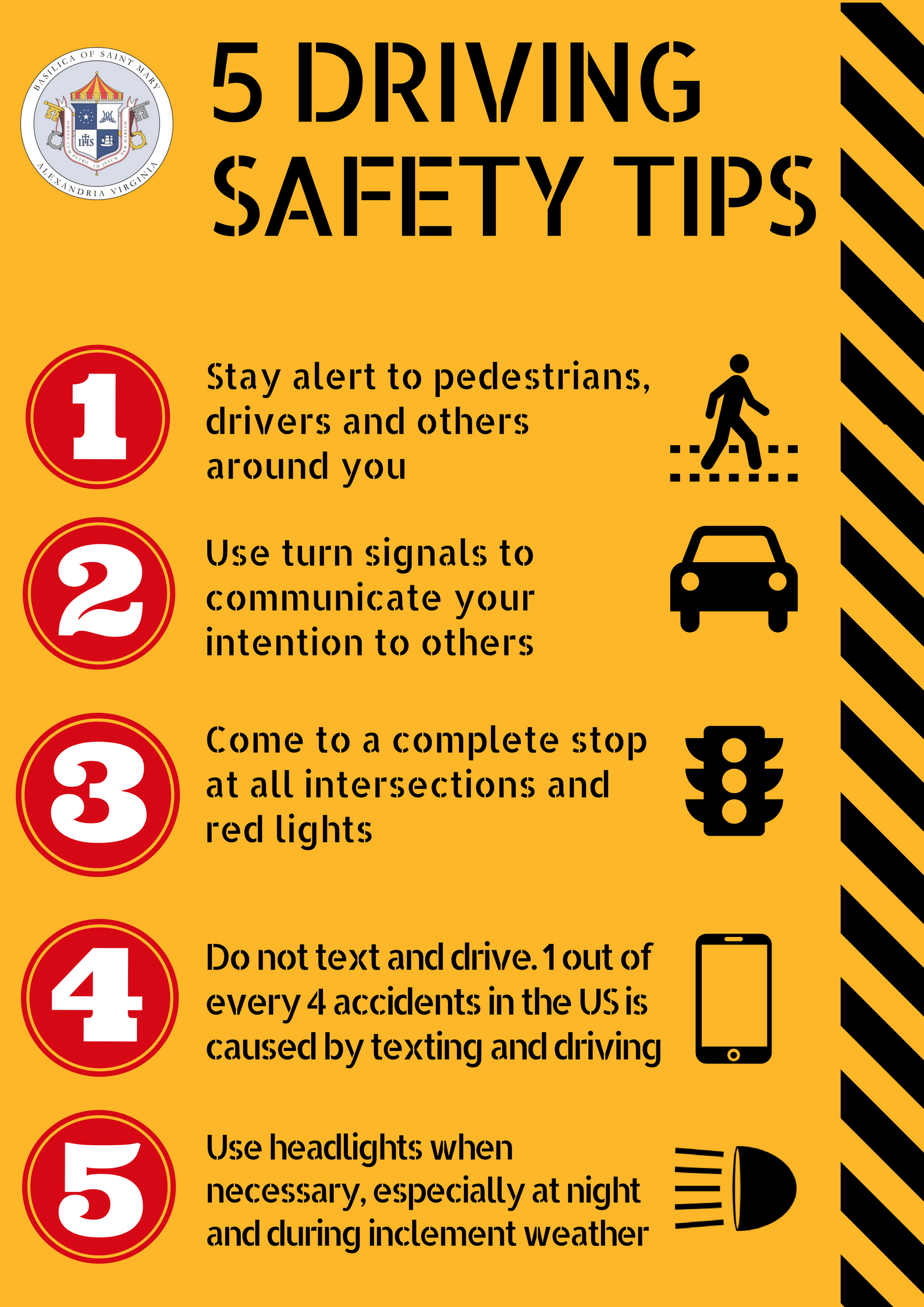
Essential defensive driving techniques are crucial for every driver to minimize risks on the road. One key technique is maintaining a safe following distance from the vehicle in front of you. This space should allow you enough time to react to sudden stops or emergencies. A common rule of thumb is the 'three-second rule': choose a stationary object on the side of the road and count how many seconds it takes for you to reach that point after the car in front of you passes it. Additionally, always be alert to your surroundings, scanning lanes and mirrors regularly to stay aware of other drivers' actions.
Another vital aspect of defensive driving is understanding the importance of anticipating other drivers’ actions. This means being prepared for potential hazards, such as a car making an unexpected lane change or a pedestrian stepping into the road. Practicing
- safe maneuvers
- using turn signals
- and adhering to traffic signals
If you're looking to keep your phone secure and easily accessible while driving, check out the Top 10 Car Dashboard Phone Holders. These holders come in various styles and designs to suit different preferences, ensuring that you can view your navigation or take calls safely. Investing in a good phone holder can greatly enhance your driving experience, making it both safer and more convenient.
10 Common Distractions to Avoid While Driving
Driving requires full concentration, yet many drivers find themselves faced with numerous distractions. Common distractions can significantly impair a driver's ability to respond to road conditions and make safe decisions. To enhance road safety, it's crucial to recognize and avoid these distractions. Here are some of the 10 common distractions that every driver should be mindful of:
- Mobile Devices: Texting or using apps while driving can divert attention from the road.
- Grooming: Activities such as applying makeup or combing hair can take your focus away.
- Passengers: Engaging in conversations, especially with unruly passengers, can lead to momentary lapses.
- Eating and Drinking: Consuming food or beverages can require hand movements that distract from driving.
- Music and Entertainment: Adjusting the stereo or choosing playlists can take your eyes off the road.
- Navigation Systems: Inputting addresses on a GPS while driving is a major distraction.
- Road Signs: Staring at ads or roadside distractions instead of focusing ahead can be hazardous.
- Emotional State: Being overly stressed or upset can impair your attention to driving.
- Weather Conditions: Ignoring changing weather can distract from safe driving practices.
- Fatigue: Driving when tired can lead to zoning out, making it hard to maintain focus.
How to Prepare for Emergency Situations on the Road
When preparing for emergency situations on the road, it's essential to create a comprehensive emergency kit. Start by including basic supplies such as a first aid kit, water, non-perishable snacks, and a flashlight with extra batteries. You should also add tools like a tire jack, jumper cables, and a multi-tool for unexpected roadside repairs. Additionally, consider including a blanket, gloves, and a whistle, as these items can be critical in various emergencies. Ensure that your emergency kit is easily accessible, and check it regularly to replace expired items.
Beyond having a proper kit, staying informed is crucial for road safety. Make sure to understand the emergency protocols in your area, which can vary depending on your location. Familiarize yourself with your vehicle's emergency features, such as hazard lights and roadside assistance options. It's wise to share your travel plans with friends or family so they know your whereabouts in case of any delays. Lastly, practice calmness and preparedness; knowing how to react in an emergency can significantly reduce panic and enhance your chances of handling the situation effectively.