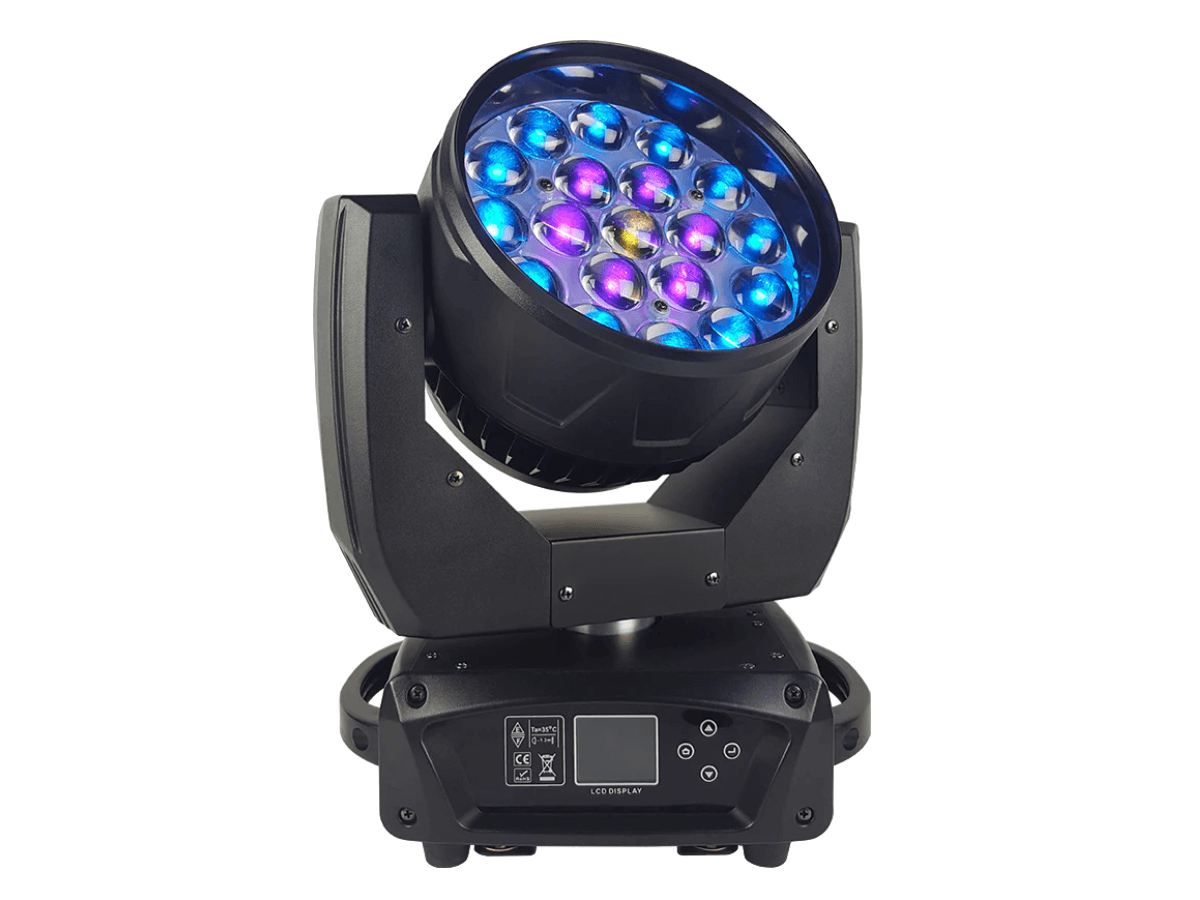
The Hidden Costs: Evaluating the Environmental Impact of Popular Lighting Trends
The trend towards energy-efficient lighting options, such as LEDs and compact fluorescents, is often championed for their ability to reduce electricity consumption. However, it's crucial to consider the hidden costs associated with these popular lighting choices. For instance, the production of LED bulbs, while efficient in energy use, involves materials and processes that can be harmful to the environment. The extraction of rare earth minerals used in LEDs can lead to significant ecological disturbances, and the manufacturing process often emits greenhouse gases. Moreover, the disposal of these bulbs poses another challenge, as they can contain hazardous substances that require careful handling to prevent environmental contamination.
In addition to the environmental impact of production and disposal, consumer behavior plays a vital role in the overall sustainability of lighting trends. Many individuals do not consider the lifespan or energy-saving claims of lighting products at the time of purchase, leading to frequent replacements and increased waste. To evaluate the true environmental costs, consumers should ask themselves several key questions:
- How long will the lighting product last?
- What materials are used in its production?
- What are the recycling options available?
Counter-Strike is a popular first-person shooter game that emphasizes teamwork and strategy. Players can choose to join either the terrorist or counter-terrorist team, each with its own objectives. For those interested in enhancing their gaming experience, check out the Top 10 Vlog Kits for iPhone 17 which can help capture high-quality gameplay footage. With a competitive scene that includes various tournaments, Counter-Strike remains a favorite in the gaming community.
Are Trendy LED Lights as Energy-Efficient as We Think?
Trendy LED lights have become increasingly popular in recent years, not just for their aesthetic appeal but also their touted energy efficiency. Many consumers are drawn to the vibrant colors and unique designs that these lights offer, often overlooking important details about their energy consumption. While it is generally accepted that LED lights are more efficient than traditional incandescent bulbs, it is crucial to evaluate whether all trendy options deliver the same benefits. In fact, the energy efficiency of LED lights can vary significantly based on the brand, quality, and specific functionalities, such as dimmable capabilities and smart technology integration.
Moreover, one of the key considerations when assessing the energy efficiency of trendy LED lights is their lifetime cost. Although these lights may have a higher upfront cost compared to incandescent bulbs, they often boast a longer lifespan and lower energy consumption, making them more economical in the long run. To make an informed decision, consumers should compare watts used, lumens produced, and lifespan projections, ensuring they choose LED lights that combine both style and efficiency. Overall, while trendy LED lights can be energy-efficient, it is essential to do thorough research to find products that live up to their promises.
Illuminating Health Risks: How Certain Lighting Choices Affect Your Well-Being
The choice of lighting in our environments can significantly affect not just the ambiance but also our overall well-being. Certain types of artificial lighting, particularly those that emit a high degree of blue light, can disrupt our natural circadian rhythms. Studies have shown that exposure to this type of light, especially during the evening, can lead to difficulties in falling asleep, decreased melatonin production, and increased risks of mood disorders. By understanding how different lighting impacts our health, we can make more informed decisions about our home and work environments.
Moreover, the color temperature of lighting can influence our physical and mental health. For instance, warm white lighting (2700K-3000K) is often associated with relaxation and comfort, making it ideal for residential settings. In contrast, cool white lighting (4000K-5000K) is typically preferred in workplaces for its ability to enhance focus and productivity. Here are a few key points to consider when selecting lighting:
- Avoid overly bright fluorescent lights that can cause headaches and eye strain
- Incorporate natural light whenever possible to boost mood and energy levels
- Choose dimmable LED bulbs to adjust brightness based on the time of day
By consciously choosing the right type of lighting, we can create healthier environments conducive to well-being.