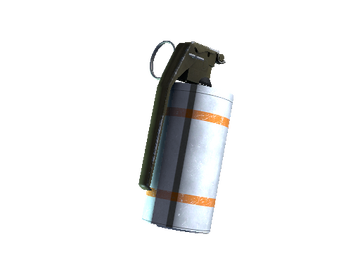
Mastering Grenade Techniques: Elevate Your CSGO Gameplay
Mastering grenade techniques in CSGO is crucial for players seeking to elevate their gameplay and enhance their overall effectiveness in matches. Proper use of grenades can significantly alter the tide of a game by creating opportunities for your team while denying the enemy critical advantages. Familiarizing yourself with the different types of grenades—smokes, flashes, and HE grenades—is the first step. Each grenade serves a specific purpose: smoke grenades provide cover, flashbangs disorient opponents, and explosive grenades deal damage. To truly master these techniques, practice using the grenades in various scenarios to understand their trajectories and timings.
As you refine your skills, consider the following strategies to further improve your grenade usage:
- Map Knowledge: Learn key grenade spots on each map to maximize your impact.
- Timing: Coordinate grenade throws with your teammates for maximum effect.
- Sound Awareness: Use sound cues to anticipate enemy movements and time your throws accordingly.
By integrating these techniques into your gameplay, you'll not only improve your individual performance but also contribute significantly to your team's success in CSGO.
Counter-Strike is a highly popular first-person shooter game that emphasizes teamwork and strategy. Players can engage in various game modes, and many enjoy the thrill of tradeit.gg case opening to enhance their gaming experience through unique skins and items.
The Ultimate Guide to Grenade Types and Their Strategic Uses in CSGO
In Counter-Strike: Global Offensive, grenades play a critical role in shaping the outcome of each match. Understanding the different types of grenades available can give players a significant strategic advantage. The primary grenade types include High-Explosive Grenades (HE), Smoke Grenades, Flashbangs, and Molotov Cocktails (or Incendiary Grenades for Counter-Terrorists). Each type serves a unique purpose:
- HE Grenade: Deals damage to enemies within its blast radius.
- Smoke Grenade: Creates a smoke screen, blocking visibility and offering cover.
- Flashbang: Temporarily blinds and deafens opponents within its range.
- Molotov Cocktail: Causes fire damage over time in an area, useful for area denial.
Strategically deploying these grenades can significantly influence the course of a round. For instance, using a Flashbang before a push can blind opponents, giving your team a brief upper hand to take control of a site. On the other hand, a well-placed Smoke Grenade can obstruct enemy sightlines, allowing for safer movements and strategic plays. Additionally, consider using Molotov Cocktails to block off pathways or deny enemy access to certain areas. In this guide, we will delve deeper into each grenade type, offering tactical insights and best practices to enhance your gameplay in CSGO.
Common Mistakes Players Make with Grenades in CSGO and How to Avoid Them
In CS:GO, grenades are crucial tools that can change the tide of battle, yet many players make common mistakes that hinder their effectiveness. One prevalent mistake is not using grenades strategically. Instead of utilizing grenades to control areas or flush out enemies, players often throw them haphazardly. To avoid this, players should learn specific grenade lines for common maps, ensuring they know when and where to deploy their grenades for maximum impact. Additionally, understanding the timing of grenade throws can prevent wasting valuable utility when engaging opponents.
Another major misstep is failing to communicate with teammates about grenade usage. In CS:GO, coordination is vital, and players often overlook this when it comes to using grenades. For instance, if one player throws a smoke grenade without informing teammates, it can lead to confusion and missed opportunities. To mitigate this, players should prioritize effective communication, utilizing voice chat or in-game commands to announce their grenade usage. By fostering teamwork and awareness, players can enhance their overall strategy and reduce the likelihood of miscommunication during critical moments in matches.